Tomato Cages vs Trellis: How to Choose the Right Tomato Plant Support
March 6, 2026
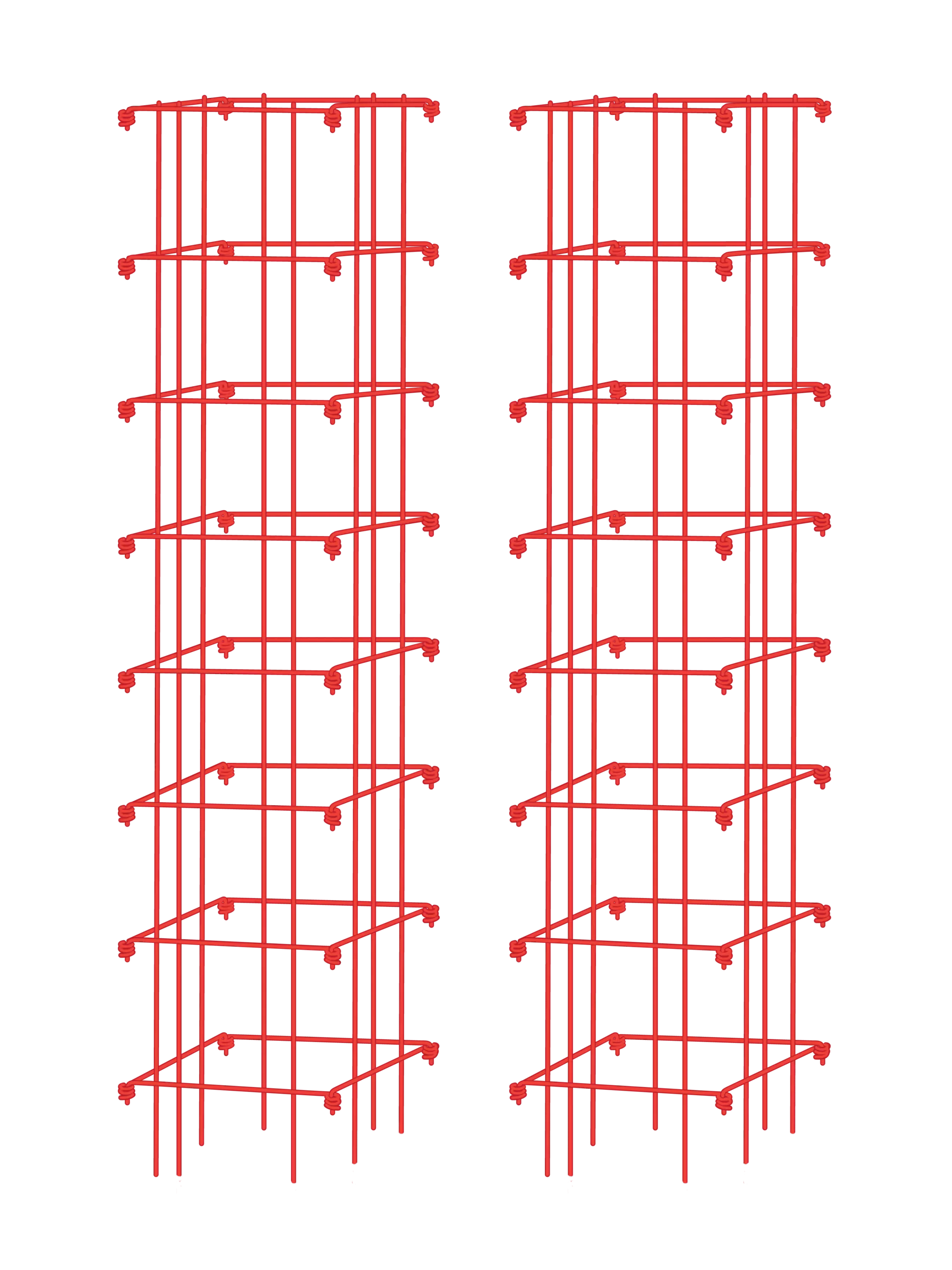
Tomato cage or trellis? Compare sizes, materials and costs, match support to determinate or indeterminate plants, and avoid common installation mistakes.
Sooner or later, every tomato plant needs help. A healthy vine puts on height fast, then hangs heavy fruit off stems that were never built to carry it. Without support, branches snap, fruit lands in the dirt, and the whole plant turns into a tangle that's hard to prune, harder to harvest, and easy for disease to move through.
Most gardeners end up choosing between two options: tomato cages and a tomato trellis. Both work. But they suit different plants, different gardens and different amounts of patience, and a wrong choice is a common reason a promising season goes sideways. Tomato cages that are too short get buried by midsummer, and a trellis that's too flimsy leans in the first storm.
This guide explains how each system works, which tomatoes suit which support, what sizes and materials matter, and how to install everything properly.
Tomato Cage or Trellis: The Short Answer
Use tomato cages for determinate and compact tomatoes, and for peppers, eggplants and other bushy crops. Use a trellis for indeterminate (vining) tomatoes that will grow six feet or taller.
A cage surrounds the plant and lets it support itself as it grows. A trellis is a structure the plant is tied or woven onto, and it scales to tall plants better because you control the growth direction. Cages ask for less work each week. Trellises ask for more attention but handle vigorous plants more reliably.
There's a middle path too: a tall, heavy-gauge cage used with a light pruning routine can carry an indeterminate plant fine. The catch is that the cage has to be built for the job. Most of the cages sold at big-box stores aren't.
Why Tomato Plants Need Support in the First Place
Tomatoes are vines by nature. In the wild, they sprawl across the ground and root wherever stems touch soil. In a garden, that habit causes practical problems.
Fruit on the ground rots. Extension guidance, including Texas A&M AgriLife's tomato growing advice, notes that fruit touching soil can be lost to rot. Mulch helps, but lifting the plant is better.
Airflow drops. Leaves that stay wet after watering or rain invite fungal disease. Upright plants dry faster because air moves through them.
Harvest gets harder. Ripe fruit hides in a sprawling plant. An upright one lets you see what's ready.
Pests get easier access. Fruit resting on the ground is available to slugs, rodents and soil-borne problems.
Space gets wasted. Supported plants grow up instead of out, so you can plant more per square metre.
So the question isn't whether to support tomatoes. It's which support fits the plant you're actually growing.
Determinate vs Indeterminate: Start Here
Before you buy a single cage or build a single trellis, find out which type of tomato you have. This one fact drives almost every other decision.
Determinate tomatoes grow to a genetically set size, set most of their fruit over a few weeks, and then slow down. They're bushy and compact, often around three to four feet tall, though it varies by variety. Many patio and container varieties are determinate.
Indeterminate tomatoes keep growing and producing until frost or disease stops them. They can reach six to eight feet in a long season, and many heirloom and large-fruited varieties fall in this group. The seed packet or plant tag usually says which type you have.
|
Feature |
Determinate |
Indeterminate |
|
Growth habit |
Bushy, stops at a set height |
Vining, keeps growing |
|
Typical height |
Compact, often 3–4 ft |
6–8 ft or more |
|
Fruiting |
Concentrated over a few weeks |
Continuous through the season |
|
Best support |
Standard cage, or stake |
Tall heavy-duty cage or trellis |
|
Pruning needs |
Minimal |
Regular |
Some "determinate" varieties are marketed as needing no support at all. In practice, even compact plants tend to lean under a heavy crop, so a short cage is cheap insurance.
Tomato Cages: How They Work and When They Make Sense
A tomato cage is a cylinder, square or panel-based frame of wire or steel that you place around a young plant. As the plant grows, its stems pass through the openings and the structure holds them up from every side. Once it's in place, there's little to do except tuck in the occasional stray branch.
What Cages Do Well
- They need little attention. You install once, at planting time, and the plant does the rest.
- They support from all sides. A well-made cage keeps branches from splaying outward.
- They work for many crops. Peppers, eggplants, cucumbers and beans all use the same structure.
- They last. A galvanized or coated steel cage can serve many seasons.
Where Cages Fall Short
- Most are too short. A cage that's three feet tall looks fine in May and is swallowed by July if the plant is indeterminate.
- Thin wire bends. Light-gauge cages collapse under a full crop, especially in wind.
- Access can be awkward. If the openings are small, reaching in to harvest is frustrating.
- Dense foliage inside the cage can trap moisture. Without pruning, the centre of an overgrown plant gets little airflow.
- Storage takes room. Rigid cages don't nest neatly, though folding designs solve this.
Cage Size: What Actually Works
Size is where cages succeed or fail, so it's worth being specific.
Diameter. Extension guidance, such as Texas A&M's, recommends roughly 18 inches across, so you can reach early fruit through the wires. Some experienced growers prefer wider cages, around 24 to 30 inches, for heavy indeterminate plants because they leave more room for growth. Wider cages hold more but are harder to reach into, so the best diameter depends on how vigorous your plants are.
Height. For indeterminate tomatoes, aim for a cage that's at least five feet tall. Shorter cages suit determinate types, peppers and other compact plants.
Opening size. Openings should be big enough for a hand to pass through. This sounds trivial until you try to pull out a ripe beefsteak through a four-inch square.
|
Cage Type |
Approximate Size |
Best For |
|
Small cage |
Under 24 in tall |
Peppers, dwarf and patio tomatoes |
|
Standard cage |
About 30–40 in tall |
Determinate and compact tomatoes |
|
Tall cage |
48–60 in |
Large determinates, moderate indeterminates |
|
Extra tall or heavy duty |
60 in and above |
Vigorous indeterminates |
These are practical ranges, not standards. Manufacturers size their products differently, so check actual dimensions before you order.
Round vs Square Tomato Cages
Round cages are the classic shape, but square tomato cages have real advantages. They pack more usable space inside for the same footprint, they fit raised beds neatly, and panel-style versions can be folded or stacked for storage. Round cages tend to be simpler and slightly stronger against bending at the top.
Neither shape is better in general. Pick square if you're growing in rows or raised beds, and round if you're growing in isolated spots or pots.
Tomato Trellis: Systems, Styles and Trade-offs
A tomato trellis is a vertical framework that the plant climbs, or is trained up. Unlike a cage, it doesn't enclose the plant. You guide the stems along the structure, usually with clips, soft ties or string.
Common Trellis Styles
Panel trellis. A rigid panel of welded wire or steel mesh, anchored at each end with posts. The plants are tied to the panel as they grow. This is sturdy and long-lasting, and it doubles as a support for cucumbers and beans.
A-frame trellis. Two panels leaning together form a triangle. Plants grow up both sides, which suits raised beds and increases yield in a compact footprint.
Single-stem string trellis. A string hangs from an overhead bar and the plant is twisted around it. Common in greenhouses, this keeps plants tidy and is easy to manage, though it needs overhead structure.
Arch or tunnel trellis. Plants grow up and across a curved frame. It looks striking and provides shade below, but it takes more space and effort to build.
What Trellises Do Well
- They handle tall indeterminate plants. The height is limited only by how tall you build it.
- They improve airflow. With stems tied up along a flat plane, leaves dry faster and fruit is easier to spot.
- They use space efficiently. Plants take less ground area than in cages.
- They make pruning and harvest simpler. Everything is visible and within reach.
- They're adaptable. Panels can be moved, reused and repurposed between seasons.
Where Trellises Fall Short
- They need ongoing attention. New growth has to be tied in every week or so.
- Installation matters. A poorly anchored trellis leans or collapses in a storm, taking the plants with it.
- Setup can cost more up front, especially if you're building with posts and panels.
- Some plants need more pruning. Trellised plants usually do best when trained to one or two stems.
A Note on Storms
Wind and heavy rain are where weak supports get exposed. A fully leafed indeterminate plant catches a lot of wind, and a lightweight cage or thin stake can topple. Whatever you choose, anchor it firmly. Push cage legs deep, add stakes for extra hold, and drive trellis posts well into the soil.
What About Tomato Stakes?
Stakes are the simplest tomato support: a single strong post beside each plant, with the main stem tied to it as it grows. They save space, cost little and work well in containers and small gardens.
The limitation is that staked plants need to be pruned to one or two main stems and tied often. If you neglect them for a couple of weeks, growth gets ahead of you. Stakes suit gardeners who check their plants often and want tight control. They're less forgiving for anyone who doesn't.
Use a sturdy stake, not a thin garden cane. It has to hold a fully loaded plant through wind and rain.
Cage vs Trellis vs Stake: Side by Side
|
Factor |
Tomato Cage |
Trellis |
Stake |
|
Weekly effort |
Low |
Moderate |
Moderate to high |
|
Best plant type |
Determinate, compact |
Indeterminate |
Either, if pruned |
|
Setup cost |
Moderate |
Low to high, depending on style |
Low |
|
Strength in wind |
Good if heavy-gauge and anchored |
Good if posts are deep |
Depends on stake and anchoring |
|
Space needed |
More per plant |
Less |
Least |
|
Storage |
Bulky unless foldable |
Panels store flat |
Minimal |
|
Reuse for other crops |
Yes |
Yes |
Limited |
Matching the Support to Your Situation
Small backyard or raised bed. Square tomato cages or an A-frame trellis. Both make use of the vertical space.
Large vegetable garden with long rows. A panel or Florida weave trellis. It scales across a row without buying dozens of individual cages.
Windy site. Heavy-gauge, well-anchored supports. Choose thicker steel and drive posts or stakes deep.
Balcony or patio. A compact cage or stake in each pot. Weight matters here, so choose something sturdy but not enormous.
Mixed vegetable garden. Cages or panels that can be reused for peppers, cucumbers and beans in other seasons.
Beginners. Cages are the most forgiving. You install them once and the plant mostly looks after itself. Just make sure they're tall enough.
Tomato Cages for Pots and Containers
Containers add a challenge: the pot has to hold the plant's roots and anchor its support. A tall, heavy plant in a light pot topples easily.
- Use a large enough pot. Bigger pots are more stable and give roots room, which supports a heavier plant.
- Choose a compact cage. Tall cages can tip a pot. Small to medium cages suit patio and dwarf varieties.
- Anchor the cage inside the pot at planting time, before the plant grows, so you don't damage roots later.
- Consider a stake for tall varieties. A single strong stake sunk deep into the pot often holds better than a wide cage.
- Check stability after watering. Wet soil is heavier, but the plant also catches more wind when fully leafed.
Some planters come with built-in cages or trellis frames, which solve the anchoring problem neatly.
Materials and Build Quality: What to Look For
This is where most cheap supports disappoint, so it's worth understanding the differences.
Wire Gauge and Steel Thickness
Thicker wire holds its shape under load. Lower gauge numbers mean thicker wire, so a 9.5-gauge cage is sturdier than a 14-gauge one. Some DIY growers use 10-gauge concrete reinforcing wire for exactly this reason. Thin cages bend, splay and collapse once fruit sets.
Welds and Joints
Look at how the wires connect. Firmly welded or riveted joints stay put. Weak joints snap or pop at the first real load, and they're the first thing to fail on a cheap cage.
Coatings and Finishes
- Galvanized steel carries a zinc coating that resists rust and lasts well outdoors.
- Powder-coated steel adds a color finish and extra protection, though chips can expose bare metal.
- PVC-coated wire is smooth on plants and rust-resistant while the coating is intact.
- Corten (weathering) steel develops a stable rust-like layer that protects the metal underneath. It suits a lasting, natural look and pairs well with planters and raised beds made from the same steel. Fresh Corten can stain paving or pale surfaces while the patina forms, so keep that in mind if the supports sit near light-coloured stone.
Legs and Anchoring
Tapered or pointed legs push into soil more easily and hold better. Longer legs give deeper grip, which matters in wind. Flat-bottom cages that simply sit on the ground rely entirely on soil weight and often tip.
Foldability
Folding cages and panels save storage room between seasons. If garage space is tight, this feature matters more than it seems.
How to Install Tomato Cages and Trellises
Timing matters more than technique. The best time to add support is at planting, before roots and branches are in the way.
Installing a Tomato Cage
- Plant your tomato at the recommended spacing, centred in its spot.
- Place the cage over the young plant so the plant sits in the middle.
- Push the legs in firmly, ideally several inches deep, so the cage stands on its own.
- Add a stake or two for stability in windy spots, tying the cage to it.
- Guide stray branches back inside as the plant grows.
Installing a Trellis
- Set strong end posts deeply, since they carry the load of the entire row.
- Attach the panel or string between posts, keeping it taut.
- Plant tomatoes along the trellis, each close enough to reach it easily.
- Tie stems loosely with soft ties or clips as they grow, avoiding tight knots that cut into stems.
- Prune suckers according to your training plan and keep tying in new growth.
Common Mistakes With Tomato Supports
- Adding support too late. Pushing a cage over a big plant breaks branches and damages roots. Install early.
- Buying cages that are too short. This is probably the most common error. Check the mature height of your variety first.
- Ignoring wind. A support that's fine on a calm day can fail in a storm. Anchor everything.
- Using thin or cheap materials. Flimsy cages bend and rust, then need replacing.
- Tying too tight. Ties should be loose enough to allow stem thickening.
- Overcrowding plants. Even a great support can't fix plants packed so close that air can't move.
- Skipping pruning where it's needed. Indeterminate plants on trellises usually need regular pruning. Without it, growth outruns support.
- Forgetting about harvest access. If you can't reach in, you'll be tempted to leave fruit too long or damage the plant reaching for it.
Buying Custom or Bulk Tomato Cages: What to Ask a Manufacturer
Most of what we've covered applies to home growers, but it matters just as much for garden centres, retailers and brands sourcing supports at scale. Small differences in wire gauge, weld quality and finish show up quickly once thousands of units are in customers' hands.
If you're sourcing tomato cages, trellises or other plant supports from a manufacturer, these are the questions worth asking:
- What steel or wire gauge is used, and can it be specified?
- How are joints made: welded, riveted or clipped?
- What finish is applied (galvanized, powder-coated, PVC-coated or Corten), and how is quality checked?
- Can dimensions and shapes be customized for your market?
- Do designs fold or stack to reduce shipping volume?
- What's the process for prototyping and approving a sample before production?
Prestamp Engineers works with sheet metal and Corten steel and makes garden products such as planters, raised beds, trellis structures, arches and wire cages. We have been in the sheet-metal business for over four decades and offer design, engineering, prototyping and manufacturing to customer specifications. If you're looking for garden supports made to a specific size, gauge or finish, that's the kind of conversation worth having with a manufacturer at the start.
Caring for Your Supports Between Seasons
Cages and trellises last longer with a little care.
- Clean them at season's end. Rinse off soil and plant residue, which can carry disease into next year.
- Inspect for damage. Bent wires and cracked coatings are easier to fix now than mid-season.
- Store them dry. Folding designs go flat against a wall, and stackable ones nest together.
- Touch up chipped coatings. A dab of rust-preventive paint stops small chips turning into rust spots.
Good supports should serve for many seasons, and the extra effort of storing them properly pays off.
Choosing With Confidence
There's no single best tomato support, only the best fit for your plants and garden. Compact, determinate tomatoes are happy in a short cage. Big, vining, indeterminate plants do better on a trellis or in a very tall, very strong cage. Containers need lighter, well-anchored options. Windy gardens need heavier ones.
Whatever you pick, the same rules hold. Install early, anchor firmly, choose a size that matches the mature plant, and don't skimp on material. A tomato plant can only give you what its support lets it.
Frequently Asked Questions (FAQs)
1. Are tomato cages or trellises better?
Neither is better in every case. Cages suit determinate and compact tomatoes with minimal upkeep. Trellises suit tall indeterminate tomatoes because you can control their growth and build them as high as needed.
2. How tall should a tomato cage be?
For indeterminate tomatoes, choose a cage at least five feet tall. Determinate tomatoes and peppers generally do well in cages around three to four feet.
3. What is the best diameter for a tomato cage?
About 18 inches is a common extension recommendation because it allows easy fruit access. Some growers use 24 to 30 inches for heavy indeterminate plants. Wider cages hold more growth but make it harder to reach in.
4. How far apart should I plant tomatoes when using cages?
A gap of roughly two to three feet between caged plants is a sensible starting point. That leaves room for the cages to sit side by side without touching and lets air move through the foliage. Vigorous indeterminate varieties may need more space, so check the spacing on your seed packet or plant tag.
5. When should I put a cage on a tomato plant?
At planting time, or as soon as possible afterward. Adding a cage to a large plant can snap branches and disturb roots.
6. Do determinate tomatoes need cages?
Not always, but a short cage is worth using. Even compact plants can lean or sprawl under a heavy crop, and support keeps fruit off the soil.
7. Can I use tomato cages for other plants?
Yes. Cages work for peppers, eggplants, cucumbers and beans, and sturdy versions can support peonies and other tall flowers.
8. Which tomato cage material lasts longest?
Heavy-gauge galvanized steel, well-coated powder-coated steel and Corten steel all last well outdoors. Thicker steel and solid joints matter as much as the finish.
9. How do I stop tomato cages from falling over?
Push the legs deep into the soil and tie the cage to a stake driven in beside it. Heavier gauge wire also helps, since light cages tip more easily under a full crop.
10. Can I grow indeterminate tomatoes in cages?
Yes, if the cage is tall and heavy enough and you prune to keep the plant manageable. Standard short cages usually fail for indeterminate types, which is why trellises are often recommended.
-The Prestamp Engineers Team
March 6, 2026